Table of Contents
The pricing of Apple iPhone charging cables in the United States reflects a complex interplay of technological evolution, market demand, and manufacturing standards. As Apple continues its transition from the long-standing Lightning interface to the USB-C ecosystem, consumers are faced with a growing variety of cable types, certification requirements, and quality differences. These differences affect not only the retail cost, but also the long-term functional reliability of charging solutions. This analysis provides a comprehensive, academically oriented examination of cable categories, pricing structures, certification frameworks, and durability considerations, enabling more informed and technically sound purchasing decisions.
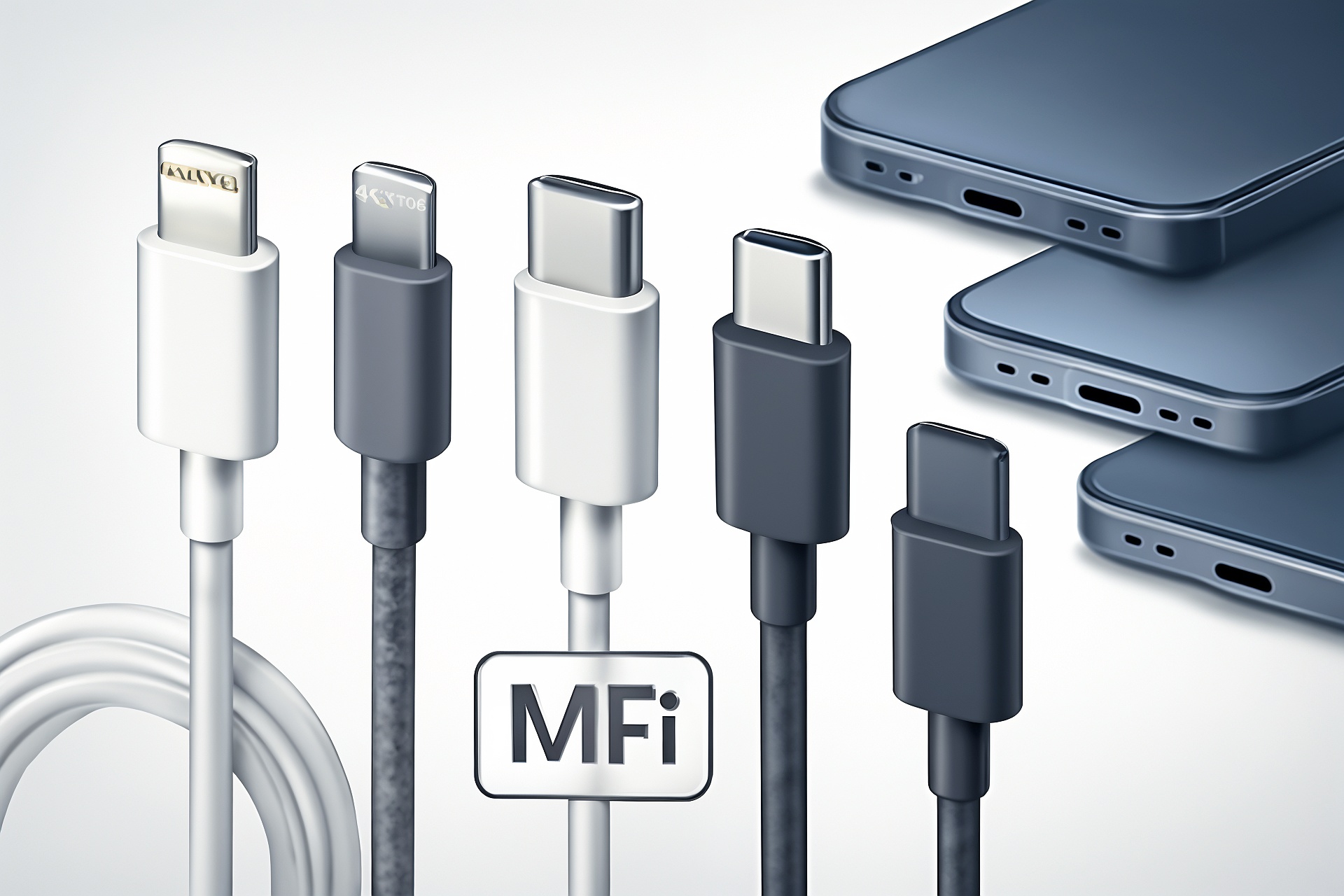
Types of iPhone charging cables
Apple’s charging infrastructure has evolved along with its broader hardware ecosystem. Understanding these cable formats is essential for evaluating performance, compatibility, and pricing.
Lightning to USB-A cable
The Lightning to USB-A cable, introduced with the iPhone 5, represents Apple’s legacy charging interface. Although it has been technologically superseded, it retains broad compatibility with earlier accessories and remains in circulation due to its ubiquity. Its slower charging capabilities and limited data throughput reflect older design limitations.
Lightning to USB-C cable
Designed as an interim solution before Apple’s full transition to USB-C, this cable supports accelerated power delivery when paired with USB-C adapters, offering improved efficiency, thermal management, and data transfer speeds compared to the USB-A variant.
USB-C on USB-C cable
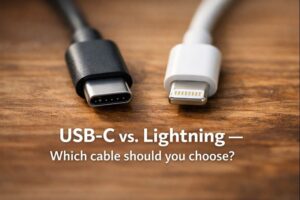
The adoption of USB-C, which began with the iPhone 15, marked a paradigm shift toward industry standardization. USB-C cables offer significantly higher charging wattage, improved data transfer speeds, and broader interoperability across diverse devices. This format reflects a more scalable and future-oriented design philosophy.
MagSafe charging cable
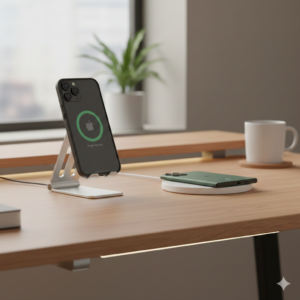
MagSafe technology integrates magnetic alignment with inductive charging, providing an intuitive user experience and predictable charging stability. Despite the high cost, it offers functional advantages for users who prefer wireless solutions or need optimized device positioning while charging.
Official Apple cable prices in the US
Apple’s pricing reflects both engineering precision and rigorous quality control processes. The following price categories represent standard U.S. retail prices.
Lightning to USB-A cable
- 1m: $19 — suitable for routine loading contexts.
- 2m: $29 — preferable for environments requiring extended reach.
Lightning to USB-C cable
- 1m:$19 — enables fast charging when used with appropriate adapters.
- 2m:$29 — offers increased flexibility for workstation or bedside integration.
USB-C on USB-C cable
- 1m:$19 — optimized for next-generation iPhones and cross-device compatibility.
- 2m:$29 — preferable for travel, office environments, and extended-range charging scenarios.
MagSafe charger
- Standard MagSafe charger:$39 — delivers efficient magnetic wireless charging.
- MagSafe Duo: $129 — offers simultaneous charging for iPhone and Apple Watch, especially beneficial for frequent travelers.
Prices of third-party iPhone cables
The market for third-party accessories is heterogeneous, with significant variation in both safety and performance.
MFi-certified cables
MFi (Made for iPhone) certification indicates compliance with Apple-approved protocols. Manufacturers like Anker, Belkin, ESR, and UGREEN use reinforced cable construction, advanced materials, and improved thermal stability.
- Typical prices:$10–$20 for 1 million variants
- Often more robust than Apple’s standard cables due to braided outer edges or reinforced stress points.
Non-certified cables
Non-certified cables may seem cost-effective, but they pose significant reliability and safety issues.
- Prices:$5–$10
- Risks include erratic charging speeds, system warnings, overheating, and potential long-term device degradation.
Recommended Budget Alternatives
High-performing, cost-effective substitutes include:
- AmazonBasics MFi Certified Lightning and USB-C Cables
- Anker Powerline and Powerline+ series
- UGREEN braided or fast charging cables
These brands often outperform Apple’s standard cables in durability measurements.
Price comparison table
| Cable type | Apple price | MFi Price | Non-certified |
| Lightning to USB-A | $19–$29 | $10–$20 | $5–$10 |
| Lightning to USB-C | $19–$29 | $12–$22 | $5–$10 |
| USB-C to USB-C | $19–$29 | $10–$20 | $4–$8 |
| MagSafe charger | $39 | $25–$35 | $10–$20 |
Factors that influence cable prices
Cable prices are shaped by a range of structural, material, and regulatory considerations.
Cable length
Longer cables have higher production costs due to increased material consumption and the need for greater internal reinforcement. Users typically choose lengths based on portability needs versus environmental range.
Build quality
Premium cables incorporate braided sheathing, heat-resistant insulation, multi-layer shielding, and reinforced connectors. These enhancements improve mechanical durability and electromagnetic stability, contributing to increased retail prices.
Fast charging capabilities
Cables designed for USB-C Power Delivery must support higher currents and wattage thresholds. This requires advanced internal wiring and certification, which increases the cost relative to basic charging cables.
Certification
MFi certification includes rigorous electrical and performance testing. While it increases production costs, it ensures compatibility, safety, and consistent functionality.
Verification of Genuine Cables
Proper verification is essential to reduce the risk of harm associated with counterfeit accessories.
Verify MFi labeling
Legitimate packaging displays the standardized “Made for iPhone/iPad” badge, indicating Apple-approved compliance.
Evaluate Building Features
Authentic cables feature precise connector molding, consistent surface finish, and uniform insulation metrics.
Serial Number Identification
Apple integrates a serial identifier about 7 inches from the USB end, which can be used to verify authenticity.
Retail Resources in the United States
Choosing appropriate retailers reduces procurement risk and ensures warranty protection.
- Apple Store: Guarantee authenticity, but charge premium prices.
- Amazon: Offers an extensive selection and competitive prices.
- Walmart: Offers budget-conscious, certified alternatives.
- Best Buy: Ideal for customers who prioritize in-store pickup and warranty support.
- Target: Balanced selection of Apple and certified third-party accessories.
Strategies for extending cable length
Proper handling and storage techniques significantly increase the lifespan of cables.
- Avoid sharp bends near the connector terminations.
- Roll up cables and store them with structured loops rather than with compression padding.
- Use silicone or polymer protectors to reduce fraying.
- Disconnect cables by grasping the connector housing, not the cable body.
Deduction
The pricing of iPhone charging cables in the United States represents a confluence of technical specifications, certification standards, and consumer expectations. While Apple’s own cables deliver predictable performance and safety, MFi-certified alternatives often offer better durability and cost-effectiveness. Conversely, non-certified cables can pose operational risks that outweigh their short-term affordability. A nuanced understanding of the cable ecosystem empowers consumers to make strategically informed purchasing decisions that align with both budget and device integrity.