Table of Contents
Struggling to figure out which iPhone charger is best for your phone? You’re not alone. With so many options—fast chargers, USB-C, wireless chargers, and cheap market copies—it’s confusing for most users. But don’t worry. In this simple, human-written guide, we’ll explain everything in clean and easy English so you can choose the right charger without wasting money or damaging your phone.
What Is an iPhone Charger?
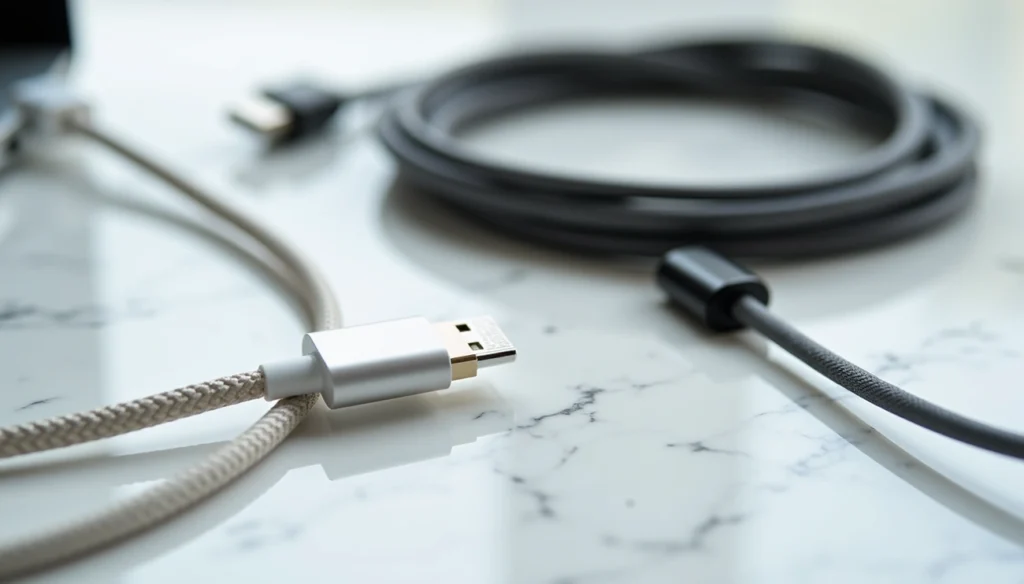
An iPhone charger is a device that powers and charges the battery of your iPhone. It includes two main parts:
- A charging adapter (brick)
- A charging cable
Both work together to send power to your iPhone battery safely.
Why Choosing the Right iPhone Charger Matters
Using the wrong charger can:
- Damage your battery over time
- Cause overheating
- Make charging slow
- Reduce phone life
- Or even cause short circuit and fire risk
A good charger keeps your phone healthy and charges it faster.
Types of iPhone Chargers
Lightning Charger
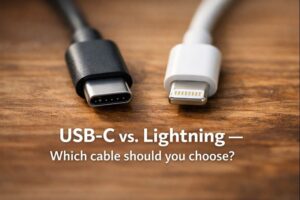
This is the traditional Apple charger used in older iPhones (from iPhone 5 to iPhone 14).
USB-C Charger
Introduced with iPhone 15 models, it uses a USB-C cable and supports faster charging.
Wireless Charger
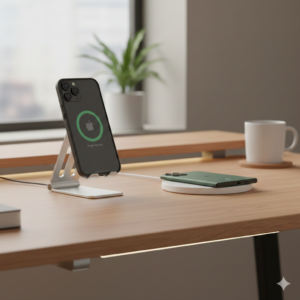
- MagSafe: Designed for iPhone 12 and later with magnetic alignment
- Qi Standard: Works with any wireless charging pad
These are great for convenience—no wires needed.
Understanding Power Output
Different chargers come with different watt levels:
| Charger Type | Watt |
|---|---|
| Slow Charger | 5W |
| Standard Charger | 12W |
| Fast Charger | 20W |
| Super Fast | 30W–35W |
5W Charger
Very slow. Old models.
12W Charger
Better, but not fast charging.
20W Fast Charger
Best option for fast charging without risk.
30W–35W Charger
Mostly for iPads / MacBook Air, but also works with iPhones safely.
Fast Charging Explained
Fast charging means your iPhone charges from 0% to around 50% in 25–30 minutes. To enable fast charging, you need:
- 20W or higher adapter
- USB-C to Lightning cable
or for iPhone 15: - USB-C to USB-C cable
Original vs Fake iPhone Chargers
How to Identify Original Apple Chargers
- Apple logo or MFi certification
- Smooth and high-quality finishing
- Correct font and spacing on print details
- Fast and stable charging
- Heavier and stronger build
Signs of Fake Chargers
- Cheap quality plastic
- Slow charging
- Phone heats up
- Wires break easily
- No certification or random brand name
Pros of Using Genuine Apple Chargers
- Better battery health
- Safer for your device
- Longer lifespan
- Stable charging speed
- Avoids overheating
Risks of Using Cheap Fake Chargers
- Battery damage
- Overheating and shock risk
- Poor charging speed
- Charger stops working quickly
- Can explode or cause fire
Cheap price = expensive damage.
Which iPhone Charger Should You Buy?
If you want…
- Fast charging: 20W USB-C Apple charger
- Wireless charging: MagSafe charger
- Budget option: MFi certified charger
iPhone Charging Cables
Two common types:
- USB-C to Lightning cable
- USB-C to USB-C cable (new models)
What Is MFi Certification?
MFi means Made for iPhone. Apple checks the quality and approves it. Safe like the original.
Charging Tips for Long Battery Life
- Avoid charging to 100% every time
- Keep charge between 20%–80%
- Remove case if it heats up
- Don’t charge overnight constantly
- Use original or MFi chargers only
Wireless Charging vs Wired: Which Is Better?
| Wired | Wireless |
|---|---|
| Faster | Easy & modern |
| Best for long usage | Slower |
| Less heat | More heat normally |
Common iPhone Charging Problems and Solutions
| Problem | Solution |
|---|---|
| Not charging | Clean charging port |
| Slow charge | Use 20W adapter |
| Heating | Remove case, stop heavy usage |
| Cable damage | Use braided MFi cable |
How to Take Care of Your Charger
- Don’t bend wire too much
- Keep away from water
- Unplug when not in use
- Store properly when traveling
Future of iPhone Charging
Apple is moving toward:
- Faster USB-C technology
- Better wireless charging
- Possibly no charging port at all
The future could be fully wireless iPhones.
Conclusion
Choosing the right iPhone charger is more important than most people think. A good charger protects your battery, charges faster, and keeps your phone safe. Always choose original or MFi-certified chargers and avoid cheap fake copies that may damage y