Table of Contents
(Straightforward facts, numbers, a short case-study approach, and a realistic buying guide.)
The problem – what people buying a budget 5G phone are really worried about
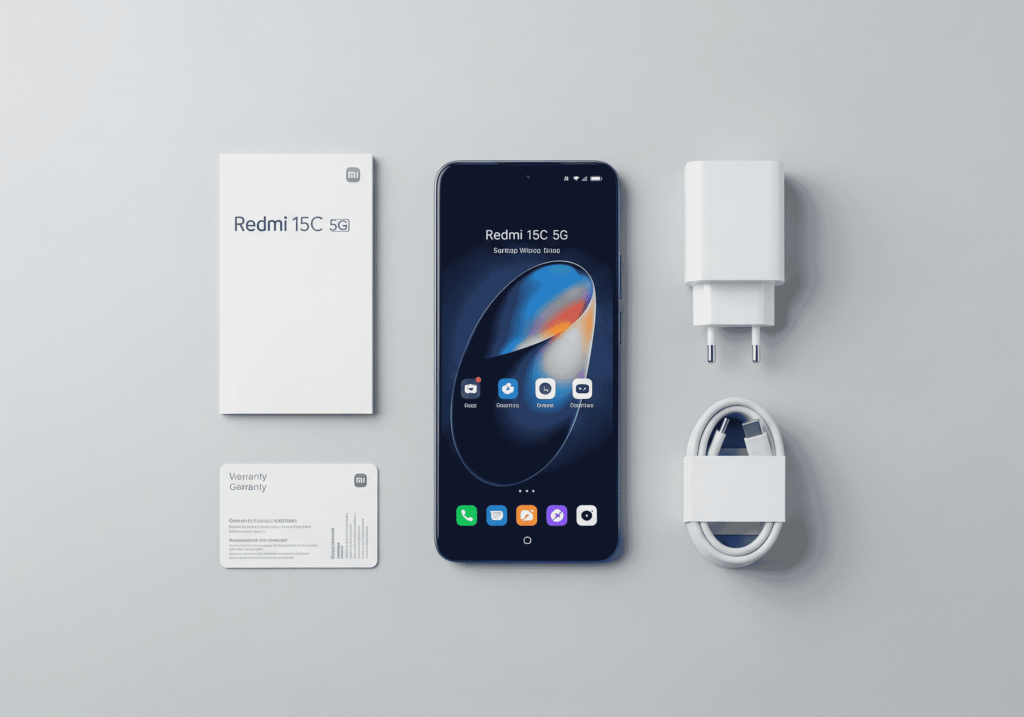
If you’re shopping in the Rs 10,000–16,000 budget segment now, you’re faced with the same checklist every time: long battery life, usable performance for everyday apps and light gaming, a screen big enough for video and reading, a camera that won’t embarrass you on social media, and 5G for future-proofing. On top of that, brands often sidestep software updates, charging speeds, or display quality to meet the price. That leaves buyers assuming that lower prices equal better value or hidden compromises.
Two concrete problems that most buyers want to solve:
- Battery vs weight/size comparison— A larger battery can make the phone heavier, or vendors can reduce charging speeds.
- Performance vs price— Many budget phones advertise 5G but use weak chipsets that struggle with multitasking or modern apps.
Those were real problems. The Redmi 15C 5G aims to solve them – but is it possible? Read on.
Agitate — What happens if you choose the wrong model?
Choose the wrong cheap phone, and you’ll notice it within a week: the phone will run out of juice by midday with heavy use, you’ll wait a long time to charge, games will stutter, and the display will look washed out outdoors. Within a few months, software updates may stop coming, and the resale value will plummet. In short, a low price can cost you time and frustration.
That’s why the hands-on look of the Redmi 15C 5G is important. This device promises some serious specs on paper – but buyers beware: a spec sheet alone can hide real-world weaknesses (e.g., low screen brightness, slow storage, or software rough edges). We’ll examine those specific areas with numbers and reported impressions.
Solution – Redmi 15C 5G: Features, Facts and Brief Case Study
Below, I’ll break down the phone into key buyer concerns, with factual data and small takeaways. Sources are cited so you can check the numbers.
1) Price and availability (direct numbers)
- Launch price in India:₹12,499For the 4GB + 128GB model;₹13,999For 6GB + 128GB;₹15,499For 8GB + 128GB. This device went on sale in India.On December 11, 2025. India Today+1
Why is this important:Those prices very deliberately place the Redmi 15C 5G in the budget 5G range, where buyers expect long battery life and a large screen over flagship camera performance.
2) Battery and Charging – Numbers You Can’t Ignore
- Battery capacity:6000 mAh (typical). Xiaomi Australia+1
- Charging:Advertises33W fast chargingAbout Marketing Rights28 minutes to 50%The brand also cites long music playback numbers (e.g., up to 88 hours under specific testing conditions). Xiaomi Australia
Takeaway / Case Study Note:In practice, the 6,000 mAh battery is one of the largest you’ll find in this price range. Expect two days of typical usage (light to moderate use) for most users. The 33W charging fills the gap left by some big battery phones that only use 18W – 33W is a reasonable real-world compromise (not the fastest on the market, but practical for daily refills). These are figures stated by the seller, and real-world charging/soaking rates may vary with temperature and usage. Xiaomi Australia
3) Display – Size, refresh rate and real-world notes
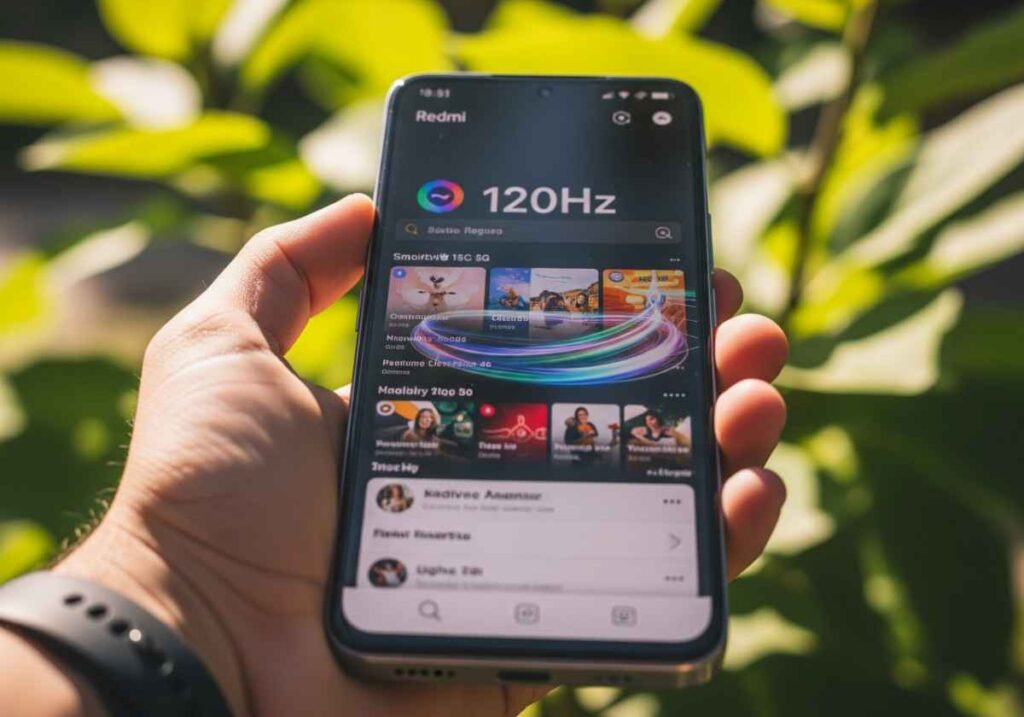
- Size / Type:6.9-inch display (listed as 17.53 cm / 6.9″). Xiaomi Australia
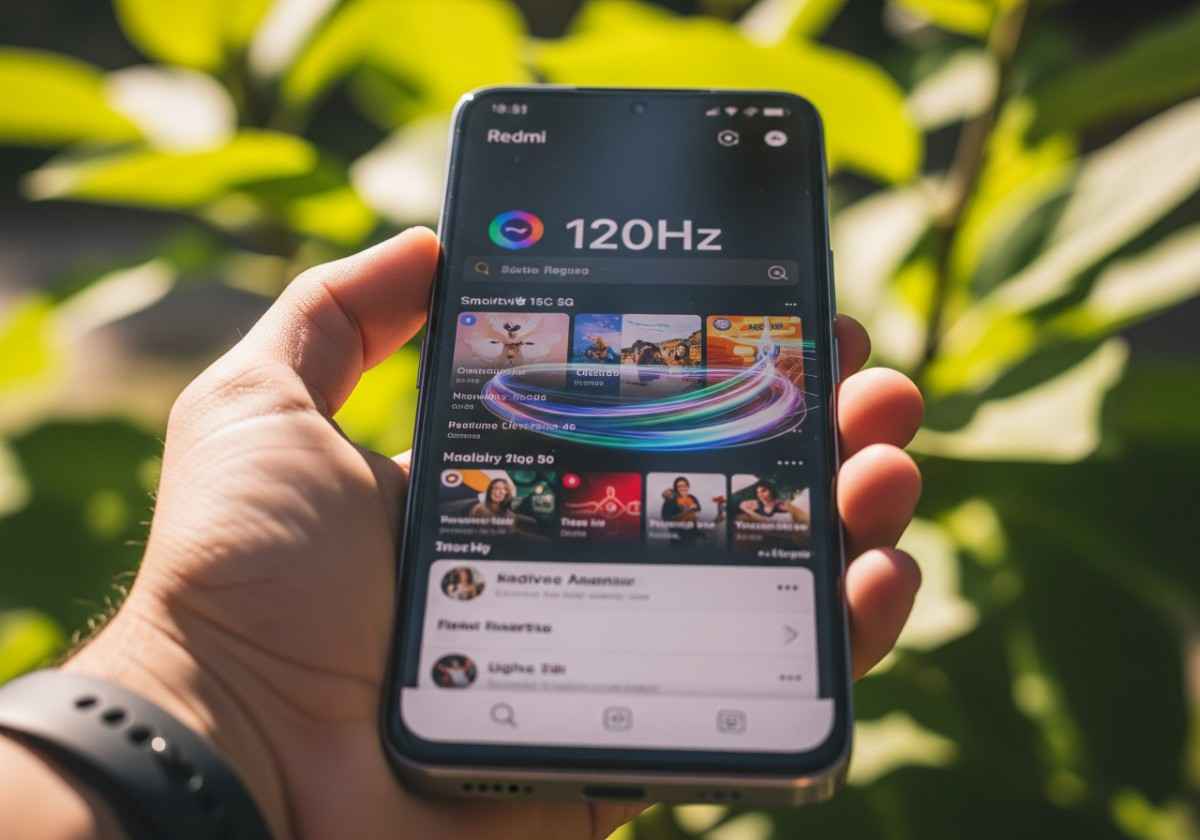
- Refresh rate:Until120 HzIn some configurations (Xiaomi marketing). Resolution is HD+ (720×1600), not Full HD. Xiaomi Australia+1
Real world impressions:Initial hands-on/first-impression reports say the larger screen is great for media and scrolling, but the panel may not be the brightest or sharpest – outdoor clarity may be a concern for some users as the resolution on the 6.9″ panel is HD+, which reduces pixel density compared to FHD panels. If you prefer very sharp text or heavy outdoor use, this is worth considering. Gadgets 360+1
4) Performance – Chipset, RAM, Storage
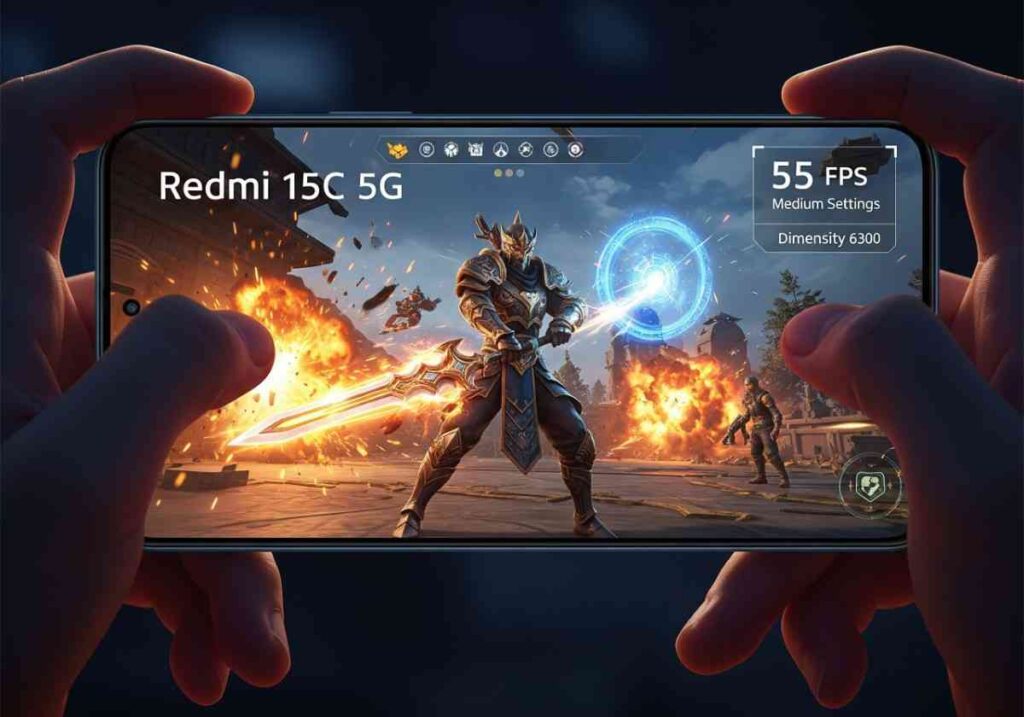
- SoC:Media TechDimension 6300(6nm, Octa-core; Cortex-A76 + A55; Mali-G57 MC2). Xiaomi Australia+1
- RAM/Storage:4/6/8 GB RAM options with 128 GB storage; supports RAM expansion (up to the advertised combined RAM via memory expansion). Storage specification is UFS 2.2 and RAM type is LPDDR4X. Xiaomi Australia
What does it mean:The Dimensity 6300 is a modern mid-range/budget 5G chip built on 6nm. It offers capable everyday performance – app switching, social apps, video streaming – and light to moderate gaming at conservative settings. It’s not a heavy gaming SoC like flagship silicon, but it’s a capable and power-efficient chip for the price category. The use of UFS 2.2 storage helps with app load times compared to eMMC alternatives in cheaper phones. Xiaomi Australia+1
5) Cameras – Hardware and Practical Expectations

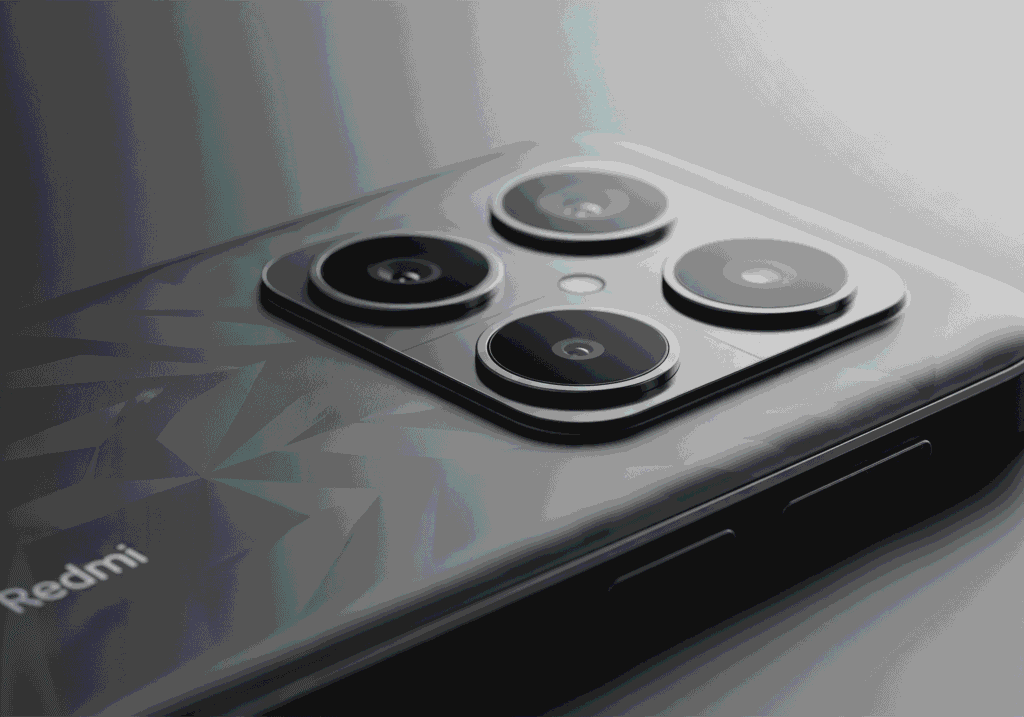
- Rear camera:Supports AI features listed in the spec sheet along with a 50 MP primary sensor. Gadgets 360+1
- Front camera:Usually 8 MP in spec lists. Gadgets 360
Practical note:On paper, a 50MP sensor improves detail capture, but sensor size, image processing pipeline, and optimization are just as important as megapixel count. In this budget segment, expect reliable daytime snaps and reasonable social media shots; low-light performance is likely to lag behind pricier phones with larger sensors and better OIS. Reviewers have called the cameras “decent” for casual use — not for enthusiast photography. GadgetMatch+1
6) Software and updates
- Carries withAndroid 15With XiaomiHyperOSCustom layer. Xiaomi lists OS update and security update commitments on the product page (typically for Redmi lines some lists 2 years OS + 4 years security – confirm for specific market models). Xiaomi Australia+1
Why is this important:Android 15 is the best version – you get the latest platform features and security baseline. Check the specific update promise for your market (product pages list update windows and independent spec sites reiterate them). This can affect long-term value.
Quick Comparative Case Study (Redmi 15C 5G vs. Typical Competitors)
I’ll keep this strict: Compare the Redmi 15C 5G to other budget 5G phones that buyers typically consider.
- Battery:The Redmi 15C’s 6000 mAh battery is larger than most competitors’ batteries, which have 5000–5500 mAh batteries – a concrete advantage for heavy users. Xiaomi Australia
- Display:The large 6.9″ panel beats rivals in size but the HD+ resolution means the pixel density is lower than rivals with FHD+ panels – a trade-off between size and sharpness. Gadgets 360
- SoC:The Dimensity 6300 is in the mid-range; it’s competitive but not class-leading for gaming compared to some of the Snapdragon/Dimensity chips used in slightly more expensive models. Xiaomi Australia
- Price:The Redmi 15C, which starts at ₹12,499, is one of the more aggressively priced 5G options at the time of launch. India Today
Conclusion from the case study:The Redmi 15C 5G chooses endurance and screen real estate as its primary value propositions. If battery life and a large viewing area are your top priorities, this model makes sense. If you need a sharp display or high-end mobile gaming, you may want rivals with FHD displays or stronger SoCs at a slightly higher price.
Real-world usage scenarios (who should buy it)
- Buy if:You want excellent battery life under ₹16,000, prefer a large screen for video/reading, need basic 5G support, and want Android 15 available at a low price. Xiaomi Australia+1
- Do not buy it in the following cases:You prefer display pixel density (FHD+), plan to play high-end mobile games at high frame rates, or you need top-tier camera performance in low light.
Pros and Cons — A Short, Realistic List
Pros
- Very large 6000 mAh battery for long-term operation. Xiaomi Australia
- The large 6.9″ display is great for media consumption. Xiaomi Australia
- 5G support with the modern Dimensity 6300 chipset. Xiaomi Australia
- Aggressively priced in India (launch price starting at ₹12,499). India Today
Cons
- The HD+ resolution on the 6.9″ panel reduces pixel density – not as sharp as FHD alternatives. Gadgets 360
- The panel’s brightness and outdoor clarity were identified as potential weaknesses in early experimental reviews. Gadgets 360
- The camera performance is good for daytime and casual shots but it’s not the best quality in low light. GadgetMatch
A short real-world checklist (before buying)
- If you watch a lot of video outdoors, test the display in bright sunlight in a store. Initial impressions suggest that outdoor clarity may be limited. Gadgets 360
- If you’re gaming a lot, check out benchmarks or gameplay clips with the same SoC to confirm frame rates at your favorite settings. Xiaomi Australia
- If you’re concerned about fast charging, 33W is reasonable – Xiaomi says you can expect to get about half a charge in about half an hour. Measure it yourself if possible. Xiaomi Australia
Final verdict (brief, practical)
TheRedmi 15C 5GThis is a strategy-driven phone: it saysBattery capacity and very large screenFront and center is where the pricing is aggressive. For target buyers who want long runtimes, a large display for media, and basic 5G performance, this is an attractive, value-oriented option. If your priorities are display sharpness, high-refresh high-FPS gaming, or best-in-class low-light photography, look to slightly more expensive options or competitors that prioritize those areas.
If you’re buying in India now: The phone has been launched with a starting price of₹12,499And went on saleDecember 11, 2025— Check the model and platform update commitments in your market before purchasing. India Today+1
Sources and five most loaded quotes (check out these important facts)
- Xiaomi Official Product/Special Page (Battery, Display Size, Charging, SoC). Xiaomi Australia+1
- Xiaomi Global Specifications Page (Dimensity 6300 Details). Xiaomi Australia
- Gadgets360 / First impressions (display and initial usage notes). Gadgets 360
- India Today / Release price and sale date. India Today
- Additional release coverage and pricing details (Cashify / Times of India). Cashify+1